5 Ways to Keep Your HVAC System Running Efficiently Year-Round
Maintaining a comfortable home requires an HVAC system that can operate reliably as outdoor temperatures and household needs change. Regular upkeep helps homeowners avoid unexpected breakdowns, manage energy costs, and maintain consistent indoor comfort throughout the year. Rather than waiting until the equipment stops working properly, taking a proactive approach can help identify minor issues before they develop into expensive problems. Routine maintenance also supports better airflow, more consistent temperatures, and improved indoor air quality. Addressing small concerns early may reduce the likelihood of needing an unexpected air conditioning repair when the cooling system is needed most. Whether the equipment runs frequently or only during certain parts of the year, a few practical maintenance habits can help protect the system and extend its useful lifespan. From replacing air filters to scheduling professional inspections, these steps make it easier to keep HVAC equipment in good working condition regardless of the season. Regular attention to these essential tasks can also make it easier to recognize unusual system behavior, address performance changes promptly, and maintain dependable comfort indoors throughout the year.
1. Change Your Air Filters Regularly
One of the simplest ways to maintain an HVAC system is to inspect and replace its air filters regularly. Over time, filters collect dust, pet dander, pollen, and other airborne particles that can restrict airflow when they accumulate. A clogged filter forces the equipment to work harder to circulate air throughout the home, potentially increasing energy consumption and putting additional strain on important components. If restricted airflow causes the evaporator coil to freeze, a professional air conditioning repair may be necessary to restore normal operation.
Replacing dirty filters helps maintain proper airflow and allows the system to operate more efficiently. Clean filters also help capture airborne irritants before they circulate throughout living spaces, supporting better indoor air quality. The appropriate replacement schedule depends on the filter type, household conditions, and how frequently the system operates. Homes with pets or significant dust accumulation may require more frequent changes. Checking the filter regularly and replacing it when necessary is a straightforward maintenance habit that can help prevent avoidable problems throughout the year.
2. Keep the Outdoor Condenser Unit Clear
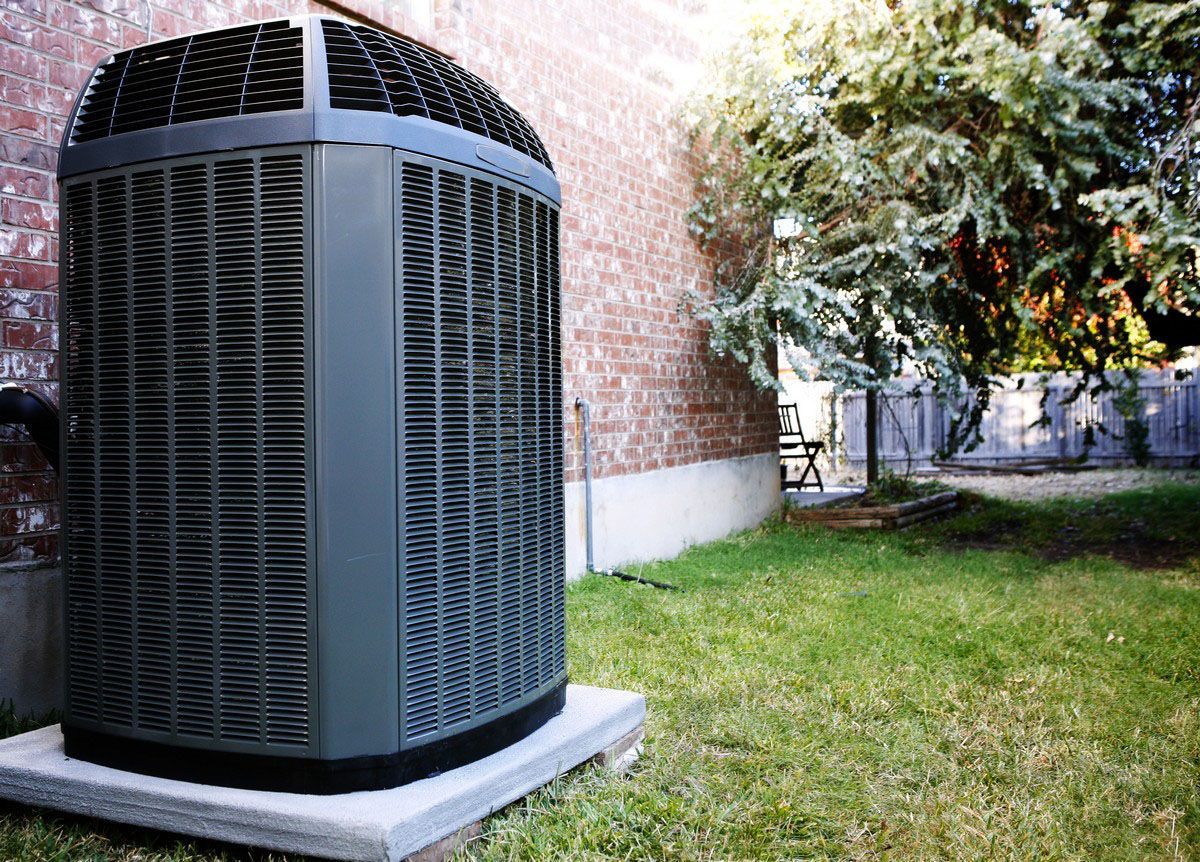
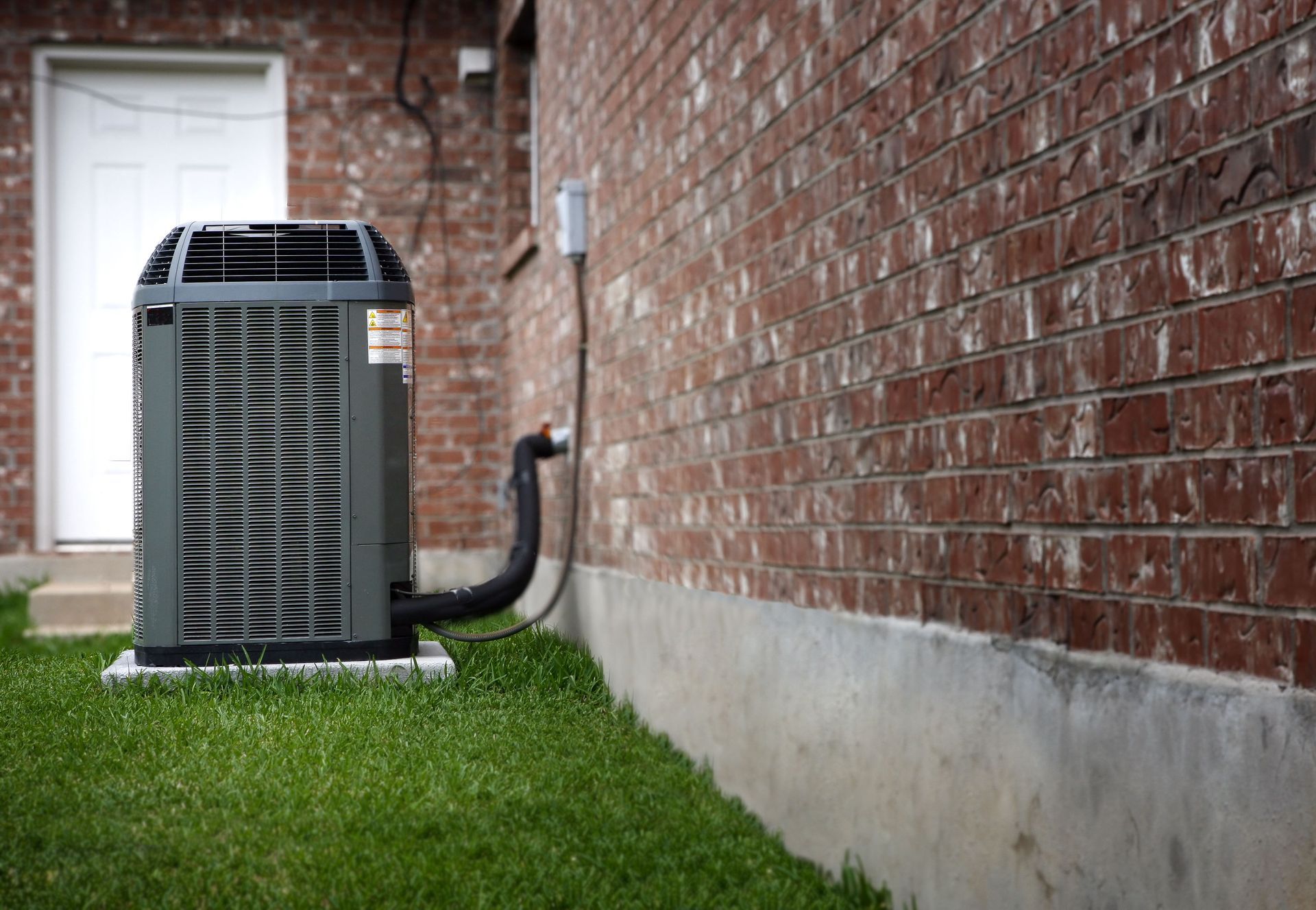
The outdoor condenser unit remains exposed to weather conditions throughout the year. Leaves, twigs, dirt, grass clippings, and other debris can accumulate around the equipment and interfere with the airflow needed to release heat from the refrigerant. When the unit cannot transfer heat effectively, the cooling system may struggle to maintain comfortable indoor temperatures and consume more energy than necessary.
Inspect the area around the condenser periodically and remove loose debris that could obstruct airflow. Keep nearby vegetation trimmed and avoid placing objects directly against the unit. If the exterior fins appear dirty, follow the manufacturer's cleaning recommendations or ask a qualified technician to handle the task. Avoid bending the delicate fins or opening electrical compartments. Unusual noises, visible damage, or declining cooling performance may indicate a problem that requires professional air conditioning repair. Keeping the outdoor unit clear helps support reliable operation and reduces unnecessary strain on the compressor and other essential components.
3. Check Your Indoor Ductwork for Leaks
Ductwork carries conditioned air from the HVAC system into different rooms throughout the home. Over time, connections can loosen, seals can deteriorate, and sections of ductwork can develop leaks. These problems allow conditioned air to escape into attics, crawl spaces, or other unfinished areas instead of reaching the intended rooms. As a result, the system may run longer to maintain the desired temperature, potentially increasing utility costs and reducing comfort.
Inspect accessible ductwork for loose connections, visible damage, or disconnected sections. Uneven temperatures between rooms, weak airflow, and unexplained increases in energy bills may also indicate ductwork problems. Professional duct sealing or repairs can help restore efficient air distribution and prevent conditioned air from being wasted. In some cases, ductwork issues can resemble equipment malfunctions, leading homeowners to suspect they need air conditioning repair when the underlying problem involves air distribution. Having the system evaluated can help identify the actual cause and determine the appropriate solution. Properly sealed and insulated ducts also help limit the amount of dust and other particles entering the airflow from surrounding spaces.
4. Review Your Thermostat Settings
A thermostat controls when the HVAC system operates and helps maintain the temperature inside the home. Reviewing its settings periodically can improve comfort while reducing unnecessary energy use. Programmable and smart thermostats allow homeowners to establish schedules based on work hours, sleeping habits, and other daily activities. Adjusting settings when the home is unoccupied can help reduce system runtime without sacrificing comfort when residents return.
According to This Old House, HVAC systems work the hardest from June through August, during the three hottest summer months. Although seasonal demand varies, the system's workload can be influenced by thermostat settings, outdoor conditions, and the home's insulation. Avoid making extreme adjustments that could compromise comfort or place unnecessary demands on the equipment. Instead, select reasonable settings that reflect household needs and local weather conditions.
If the thermostat displays inaccurate temperatures, fails to respond to adjustments, or does not activate the cooling cycle, investigate the issue rather than assuming the equipment needs air conditioning repair. Dead batteries, incorrect settings, wiring problems, or a malfunctioning thermostat may be responsible. A qualified technician can identify the cause and recommend the appropriate fix. Keeping thermostat settings and schedules up to date helps maintain a more comfortable indoor environment throughout changing weather conditions.
5. Schedule Preventative HVAC Maintenance
Although homeowners can handle basic tasks such as changing filters and clearing debris, professional maintenance provides a more comprehensive assessment of HVAC equipment. A qualified technician can inspect electrical connections, check refrigerant levels, examine moving components, evaluate airflow, and test system performance. These checks can reveal developing problems before they cause a breakdown or interfere with indoor comfort.
Routine service can also help identify worn components, drainage issues, and other concerns that might otherwise go unnoticed. Addressing these problems early may prevent a minor malfunction from becoming a more expensive repair. If the technician identifies an issue affecting the cooling system, timely air conditioning repair can help restore proper operation and reduce the risk of further damage.
Maintenance needs vary by equipment type, age, manufacturer recommendations, and frequency of use. Some systems benefit from separate heating and cooling inspections, while others may require specific service intervals. Reviewing the manufacturer's guidance and discussing household needs with a qualified HVAC professional can help establish an appropriate maintenance schedule. Consistent professional care supports efficient performance, helps protect the equipment investment, and gives homeowners greater confidence that their system is ready to meet changing demands.
Keeping an HVAC system in good condition involves consistent attention rather than preparation for one particular season. Replacing air filters, clearing the outdoor condenser, checking ductwork, reviewing thermostat settings, and arranging professional maintenance can all contribute to dependable operation. These habits may help reduce energy waste, improve indoor comfort, and identify developing problems before they become more disruptive. When cooling issues arise, timely air conditioning repair can help prevent further complications and restore system performance.
Call Chilton Heating & Cooling today to learn more about maintaining your HVAC system and to schedule a professional tune-up. We look forward to hearing from you!


Share On: