
5 Benefits of Investing in an HVAC Maintenance Plan
Heating, ventilation, and air conditioning systems serve as the mechanical heart of modern residential and commercial properties. These complex setups work continuously behind the scenes to maintain comfortable indoor temperatures, manage humidity levels, and ensure clean airflow throughout every season. Despite their critical daily role, many property owners tend to overlook routine upkeep, operating under the mistaken belief that an HVAC unit requires attention only when it stops functioning altogether. Neglecting routine maintenance allows minor mechanical issues to accumulate undetected, gradually dragging down overall system efficiency and leading to sudden, disruptive breakdowns. Engaging a qualified HVAC company to perform routine checks safeguards system longevity, maintains consistent indoor climate control, and protects the substantial financial investment that these systems represent.
1. Improving Energy Efficiency
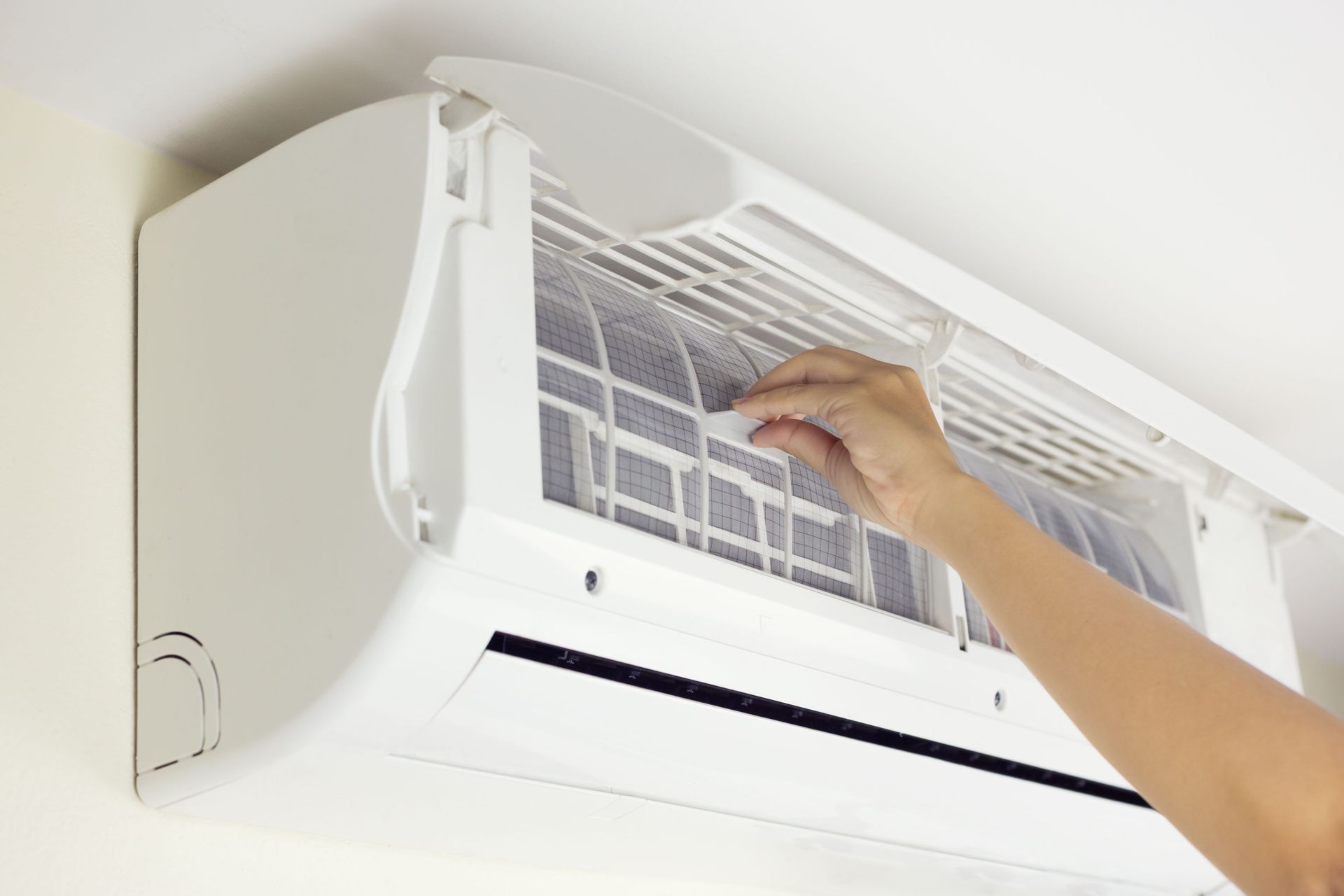
Preventative care allows heating and cooling equipment to run at peak operational capacity. Over time, environmental dust, dirt, and airborne debris naturally settle on internal components such as evaporator coils, blower fan blades, and air filters. This buildup restricts normal airflow, forcing the system's motors and compressor to work significantly harder to move air and regulate indoor temperatures. Routine cleaning and precision adjustments clear these airflow pathways, allowing the unit to achieve desired temperatures with minimal electrical draw. Partnering with an experienced HVAC company ensures that all internal components remain clean, operational, and free from efficiency-draining debris throughout the year.
Proper calibration of operational controls forms another essential element of maintaining high energy efficiency. During routine tune-ups, technicians verify that thermostats accurately gauge indoor temperatures and communicate effectively with the heating and cooling stages. They check refrigerant levels to ensure optimal heat exchange and inspect electrical connections to prevent energy loss through loose wiring. When a system is carefully tuned, it runs shorter, more effective cycles to achieve set temperatures, eliminating wasted energy. These proactive adjustments directly lower monthly utility bills, making routine service visits a cost-effective investment that pays for itself over time.
Beyond immediate cost reductions, operating an energy-efficient heating and cooling system supports broader environmental conservation efforts. Modern power generation relies heavily on natural resources, meaning that excessive household energy consumption directly increases carbon emissions. By maintaining clean coils, balanced refrigerant charges, and optimal airflow, property owners significantly reduce their overall energy footprint. Efficient systems consume less electricity, place lower demands on the power grid during peak usage times, and run more cleanly. Consistent care delivers financial returns through lower utility expenses while promoting sustainable energy practices for the community.
2. Preventing Costly Repairs
Scheduled service visits enable certified technicians to identify and address minor component wear before it leads to full system failure. A heating and cooling unit consists of hundreds of interconnected mechanical and electrical components, including capacitors, contactors, fan belts, and bearings. When a single minor component begins to fail or slip out of alignment, it places added strain on surrounding parts, creating a domino effect of damage across the unit. A qualified HVAC company detects worn belts, failing capacitors, or minor electrical faults during routine inspections, replacing inexpensive parts before they trigger catastrophic failures.
Avoiding sudden operational disruptions protects both daily indoor comfort and financial stability. Major mechanical breakdowns frequently occur during seasonal extremes, such as the hottest afternoon of summer or the coldest night of winter, when heating and cooling systems operate under maximum stress. Emergency repair calls during these peak demand periods can be costly and disruptive. According to This Old House, most HVAC systems last up to 20 years with proper maintenance. Scheduled preventative care identifies operational risks early, keeping components functioning properly and sparing property owners the burden of emergency repair costs.
Maintaining clear condensate drain lines is another critical aspect of preventative care that protects property integrity. Over months of continuous operation, cooling coils extract large amounts of moisture from indoor air, which drains away through thin lines. Without regular flushing, these lines can collect algae, dust, and sludge, leading to clogs and water backups. Overflowing condensate pans can cause extensive water damage to ceilings, floors, drywalls, and surrounding structural elements. Preventative maintenance includes thoroughly clearing drain lines and inspecting safety float switches, protecting properties from expensive water damage repairs.
3. Prolonging System Lifespan
Continuous operational cycles subject heating and cooling machinery to significant ongoing mechanical friction and thermal stress. Without recurring inspection, adjustments, and lubrication, internal components degrade rapidly over time. Bearings can seize, electrical contacts burn out, and compressors suffer wear due to improper oil circulation with refrigerant. Systematic maintenance mitigates operational strain, preserving mechanical integrity across every major component. Working with a dedicated HVAC company guarantees that critical equipment receives proper care, allowing the system to achieve its maximum operational lifespan.
Replacing major heating or cooling equipment represents a substantial financial investment for any property owner. Extending the working life of existing equipment yields an excellent return on that initial expenditure. Regular tune-ups reduce strain on critical components, preventing premature system failure and avoiding early replacement costs. By keeping electrical systems clean, moving parts well-lubricated, and air channels free from restriction, property owners can reliably extend equipment usability for years beyond average expectations, delaying costly capital replacements.
4. Enhancing Indoor Air Quality
Indoor air quality directly affects daily health, respiratory comfort, and overall well-being within residential and commercial spaces. Central heating and cooling systems continuously circulate air throughout enclosed spaces, passing it through ductwork, filters, and internal coils. Over time, air ducts and internal components can collect dust, pollen, pet dander, mold spores, and airborne particulates. Routine maintenance includes changing air filters and clearing internal dust deposits, ensuring that circulated air stays clean and fresh. Relying on an established HVAC company for regular servicing protects indoor air quality across every room.
Removing trapped airborne contaminants reduces allergen loads, providing relief for occupants who suffer from asthma, seasonal allergies, or respiratory sensitivities. During humid summer months, cooling coils naturally collect moisture from the air, creating damp conditions inside air handlers. Without proper cleaning, these dark, humid environments can promote mold and bacterial growth, which are then swept into the building's ventilation system. Thorough preventative cleaning prevents microbial growth, eliminates musty odors, and maintains healthy indoor conditions year-round.
Professional service also provides essential protection against potentially hazardous gas leaks and carbon monoxide risks in fuel-burning heating systems. Furnaces and heat pumps that utilize natural gas, oil, or propane rely on intact heat exchangers to safely vent combustion byproducts out of the building. Cracks or corrosion in a heat exchanger can leak harmful gases into indoor living areas undetected. Annual maintenance includes inspecting burners, checking heat exchangers for micro-fractures, and testing safety controls, providing valuable protection for building occupants.
5. Ensuring Reliable Comfort
Consistent indoor climate management provides essential comfort and stability through every changing season. Properly maintained heating and cooling equipment distributes air evenly across living spaces, eliminating cold drafts in winter and warm spots in summer. Regular service visits ensure that blowers, dampers, coils, and thermostats operate in complete harmony. Property owners can rely on their systems to maintain precise indoor temperatures, regardless of harsh weather conditions outside.
System reliability eliminates the frustration and discomfort caused by sudden equipment failures during extreme weather conditions. Proactive servicing ensures that heating and cooling units operate smoothly when demand peaks during hot summer days and cold winter nights. Partnering with a dedicated HVAC company guarantees expert care that keeps your system running smoothly year-round. For more information about the services that we offer, reach out to our incredible team at Chilton Heating & Cooling today!


Share On: